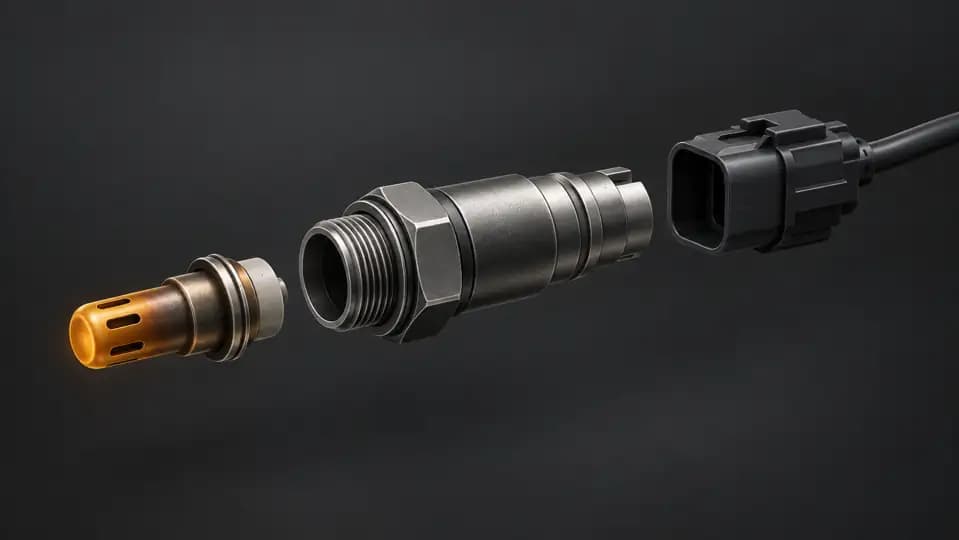
How Cars WorkA Jeep’s rough idle and misleading scan readingsThe author reported improvement after sensor work, but the repair sequence leaves limits on what can be concluded.#livedata#oxygensensorRead story →
DiagnosticsRough idle that appears only when warmWhen a rough idle changes with temperature, compare the conditions instead of guessing at a single part.#roughidle#vacuumleak#fueltrimRead story →
DiagnosticsP0171: look for the pattern behind a lean readingA lean code means the control system is correcting a mixture condition. The code alone does not identify where the extra air or fuel change came from.#P0171#fueltrim#airleakRead story →
DiagnosticsP0700 is a prompt to read the transmission moduleThis code often tells the engine controller that the transmission controller has reported a fault. The useful detail may be stored elsewhere.#P0700#transmission#scantoolRead story →
DiagnosticsFreeze-frame data is a snapshot worth savingThe conditions captured when a code was stored can help you reproduce an intermittent problem.#freezeframe#scantool#diagnosisRead story →
DiagnosticsPending and confirmed codes tell different parts of the storyA pending code can show that a monitor saw a problem before the conditions for a confirmed fault were met.#OBD2#pendingcode#scantoolRead story →
DiagnosticsBefore clearing a code, save the evidence around itA quick photo of the full scan can preserve clues that disappear when codes are erased.#OBD2#codes#workflowRead story →
How Cars WorkA cold-start temperature reading should make senseBefore the engine starts, coolant temperature should be plausible for the conditions around the car.#coolant#livedata#temperatureRead story →
DiagnosticsA code that returns after a repair is useful new evidenceRecord exactly when it came back and whether the same monitor completed. That timing can change the next test.#verification#repair#OBD2Read story →