
Vehicle handbook
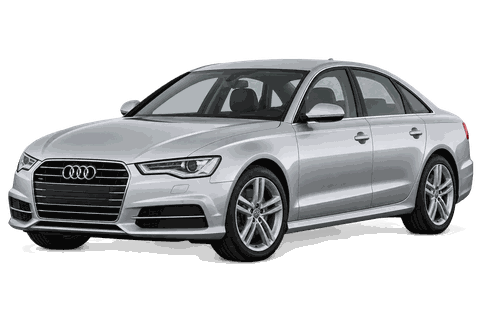
Audi A6 C7
2011–2018 · Symptoms, fault codes and practical repair explanations
Choose a vehicle system
Problem guides
Showing 1–6 of 6
Braking vibration returns soon after new front discs
On an A6 C7, vibration returning soon after front-disc work calls for mounting, runout, friction and release checks. New parts do not exclude a dirty hub face, installation issue or a dragging caliper. Replacing discs repeatedly without identifying what recreates the variation can leave the problem unchanged.
V6 TDI oil appears near the gearbox: trace it from above
Oil reaching the rear of an A6 C7 V6 TDI engine may come from an upper seal, housing or connection before running down the bellhousing. The apparent exit point does not establish a rear crankshaft-seal failure. Confirm the fluid and engine layout before authorising gearbox removal.
Air-suspension A6 sits low after parking
An A6 C7 fitted with air suspension, including applicable allroad/equipment versions, needs retained height compared with actual level-control data. Air loss, valve behaviour and a false height input are alternatives. A steel-sprung car or a bulletin for an older A6 must not receive the same diagnostic procedure automatically.
MMI repeatedly restarts: supply, network or head unit?
An A6 C7 MMI system that reboots can have a supply or communication problem as well as a software/head-unit fault. The fitted MMI generation and optional modules matter. A blank screen, a rebooting interface and sound failure with a stable screen are different symptoms and should not receive the same part order.
Longitudinal S tronic judders when reversing warm
An A6 C7 with the longitudinal seven-speed S tronic needs a different assessment from a transverse dry-clutch DSG. Warm reverse judder may involve clutch control, hydraulics, engine torque or mounts. Confirm the gearbox code first; some C7 variants use a different transmission entirely.
V6 TDI coolant collects in the engine valley
On an A6 C7 V6 TDI, coolant in a concealed upper-engine area can come from a valve, union, hose or heat-exchanger connection. Different engine versions route the circuit differently. Removing a cover and finding a puddle narrows the area, but the lowest wet component is not necessarily the failed part.
Your experience can help another driver
Open a guide to share your checks and repair outcome.